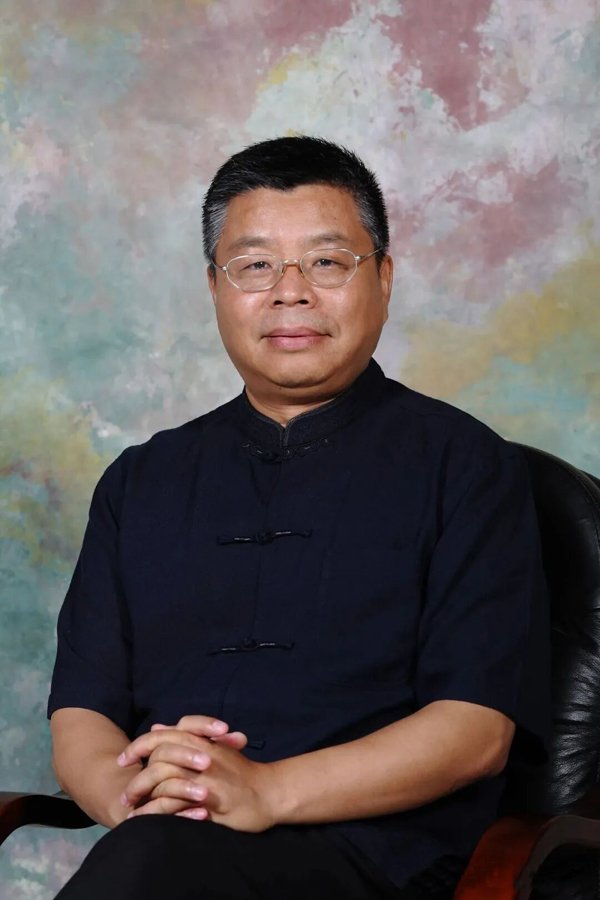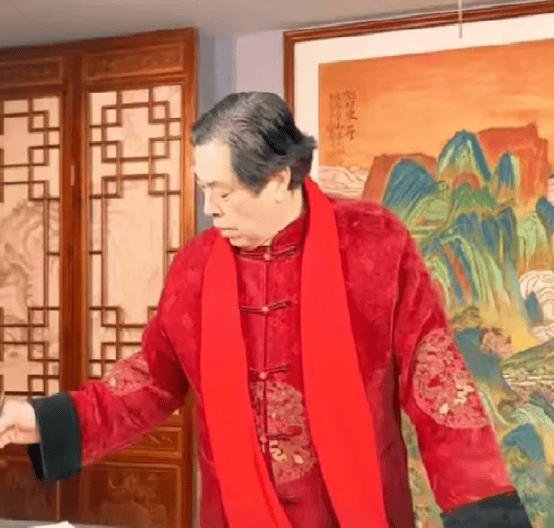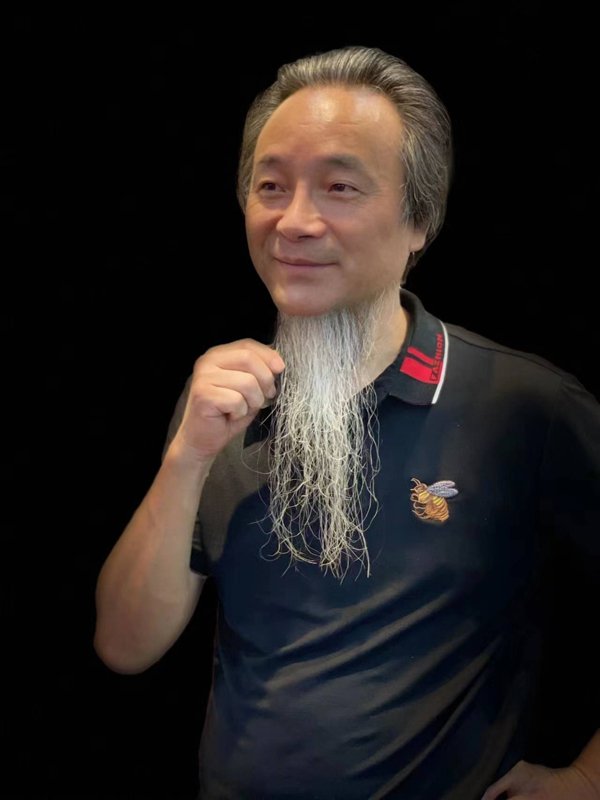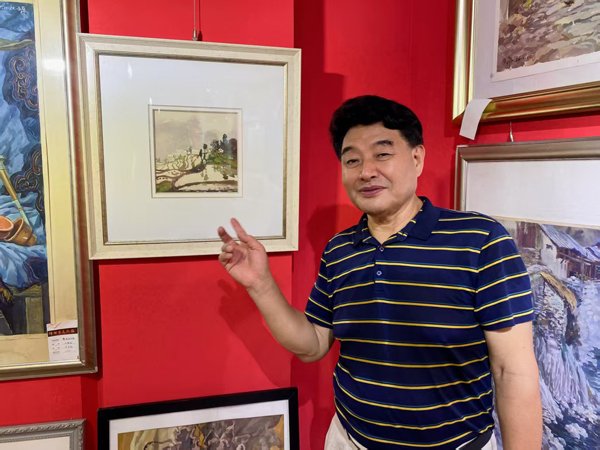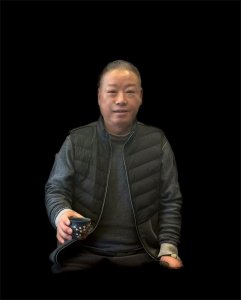
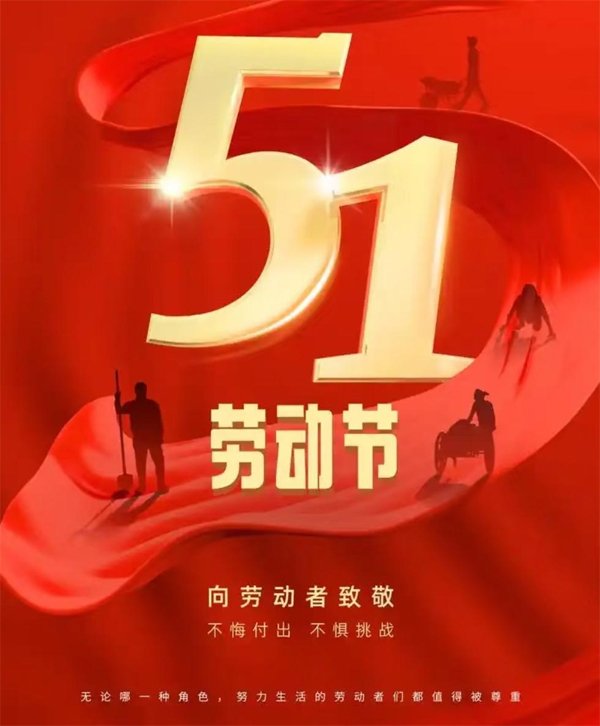
劳动是艺术的根基,丹青的辉煌始于日复一日的坚守。五一劳动节,品读画家吕渝强的艺术之路,尽显匠人耕耘之美。
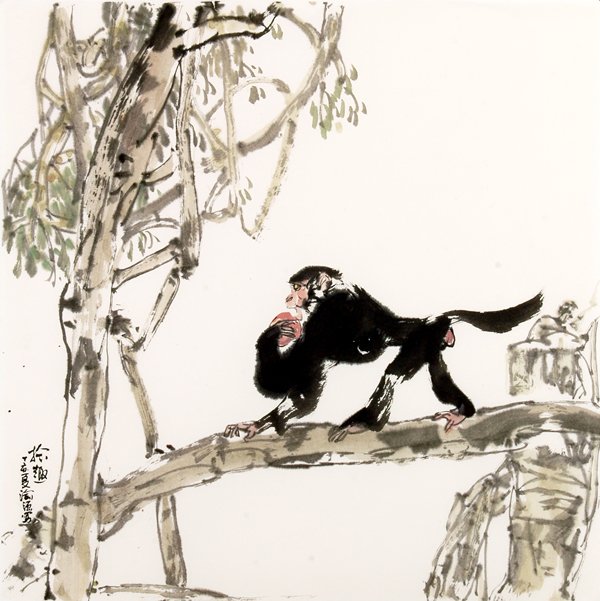
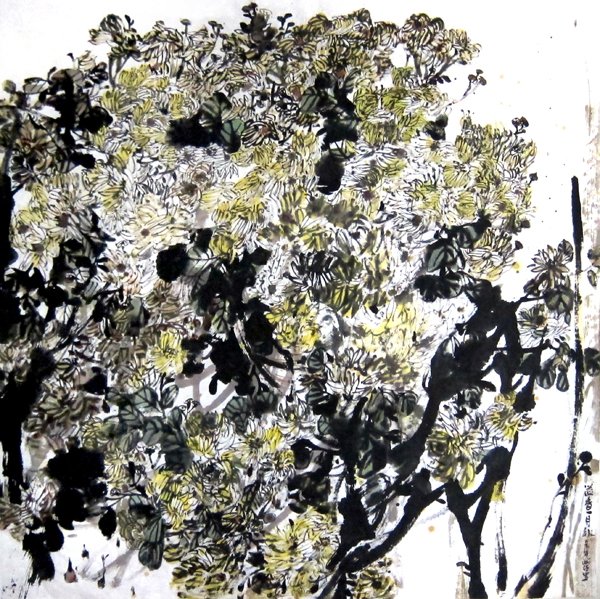
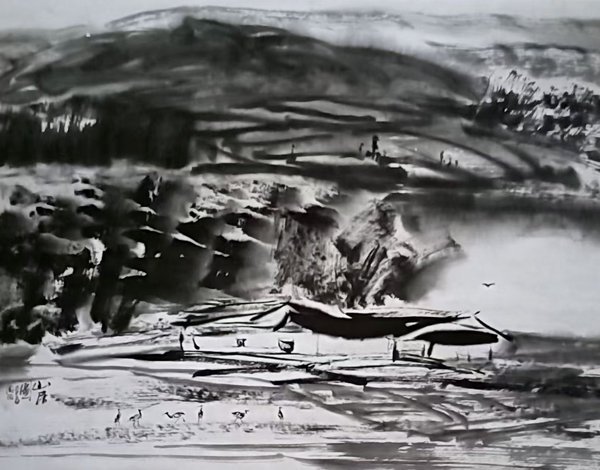
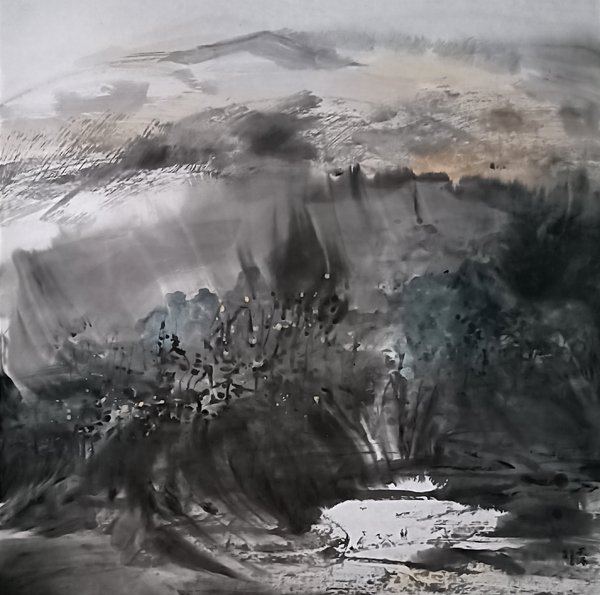
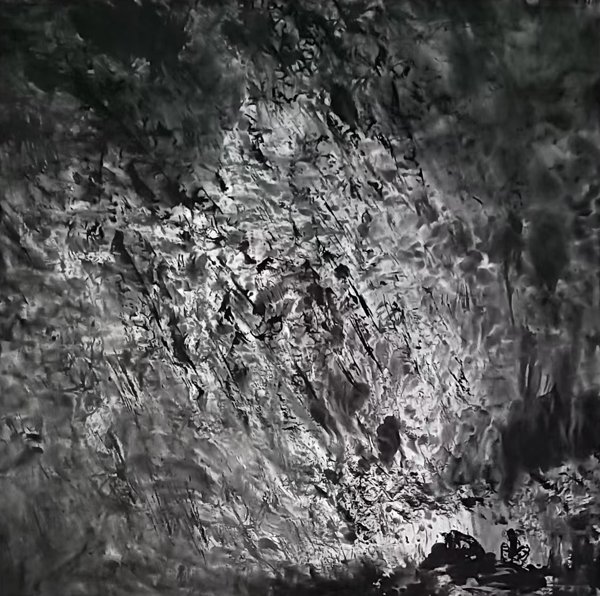
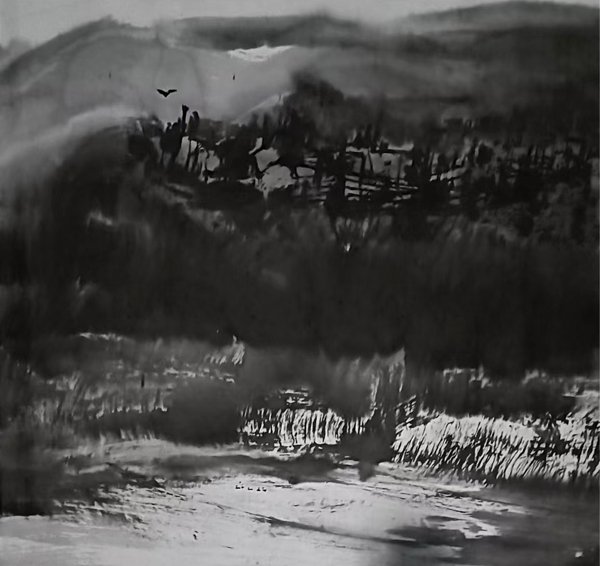
吕渝强深耕国画数十载,身为南充市政协书画院画师,始终以匠心为犁,以笔墨为种,在纸墨间深耕不辍。一幅佳作的诞生,离不开临摹古法的沉淀、游历山河的体察与反复打磨的坚持。他的创作扎根生活,凭质朴画面斩获美术大展金奖。
“好的创作,是一生的耕耘。”吕渝强坚持以笔墨写心、写生活,褪去浮华、坚守本心。无数个晨昏伏案,他将自然万物与劳动精神凝于笔尖,用国画作品定格美好、传递温度。
五一佳节,致敬吕渝强数十年的丹青坚守,更致敬所有以实干筑就美好的劳动者。以笔为耕,不负岁月,匠心永存,岁岁芳华。
文/恩泽
Labor is the foundation of art, and the brilliance of painting begins with daily perseverance. On Labor Day, we delve into the artistic journey of painter Lv Yuqiang, showcasing the beauty of craftsmanship.
Lv Yuqiang has been deeply engaged in traditional Chinese painting for decades. As a painter at the Nanchong Municipal Committee of the Chinese People's Political Consultative Conference's Painting and Calligraphy Academy, he has always used craftsmanship as his plow and ink as his seed, diligently cultivating in the realm of paper and ink. The birth of a masterpiece is inseparable from the accumulation of copying ancient techniques, the observation of traveling through mountains and rivers, and the persistence of repeated polishing. His creations are rooted in life, and he has won the gold medal in art exhibitions with his simple and rustic paintings.
“Good creation is the cultivation of a lifetime.” Lu Yuqiang insists on expressing his heart and life through brush and ink, shedding vanity and adhering to his true self. Countless mornings and evenings spent at his desk, he condenses the natural world and the spirit of labor into his brush tips, capturing the beauty and conveying the warmth through his traditional Chinese paintings.
On the occasion of the May Day holiday, we pay tribute to Lv Yuqiang for his decades-long dedication to painting, and to all the hardworking laborers who build a better future through their efforts. With a brush as their plow, they never waste time, preserving their craftsmanship and radiating youthful vitality every year.
Text/Enze
【艺术简历】
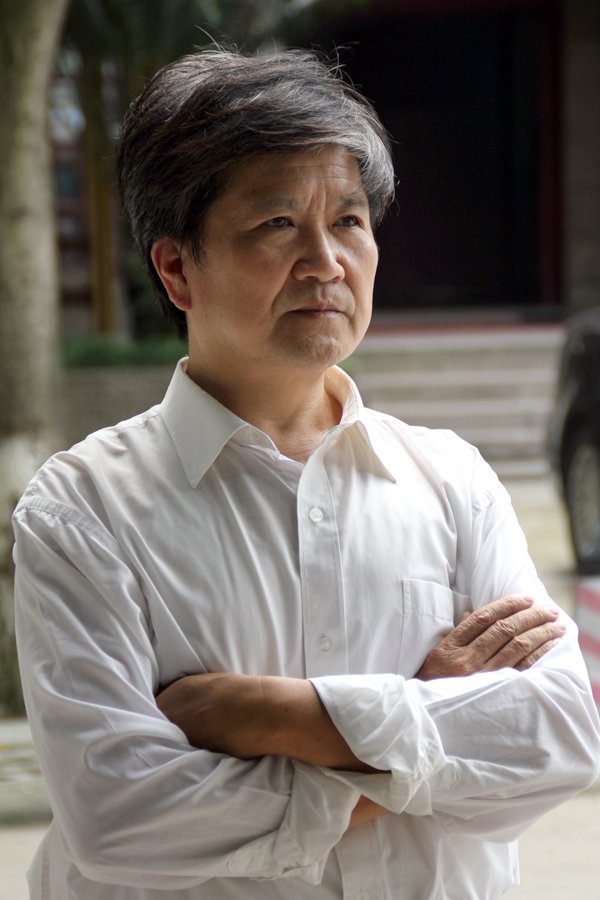
吕渝强,男,汉族,生于1957年,四川省南充市人,南充市政协书画院画师、中国文化信息协会文化产业专业委员会艺术顾问。
Lv Yujiang, male, Han nationality, was born in 1957, a native of Nanchong Sichuan Province, andis a painter of the Nanchong Municipal Committee of the Chinese People's Political ConsultativeConference and an art consultant of the Professional Committee of Cultural Industry the ChinaCultural Information Association.
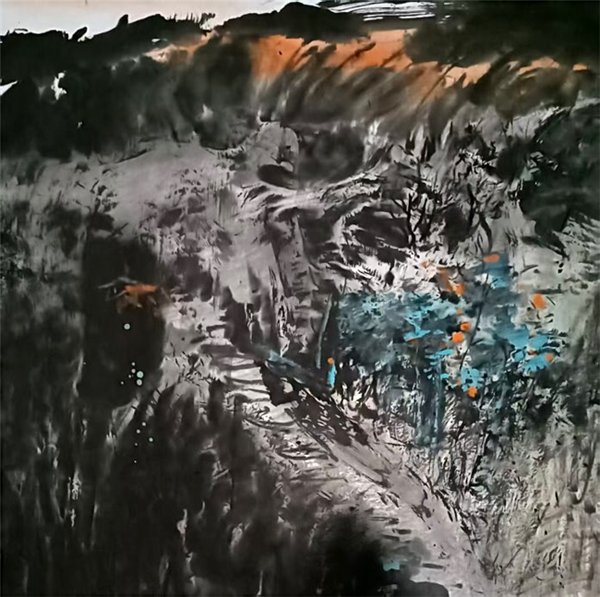
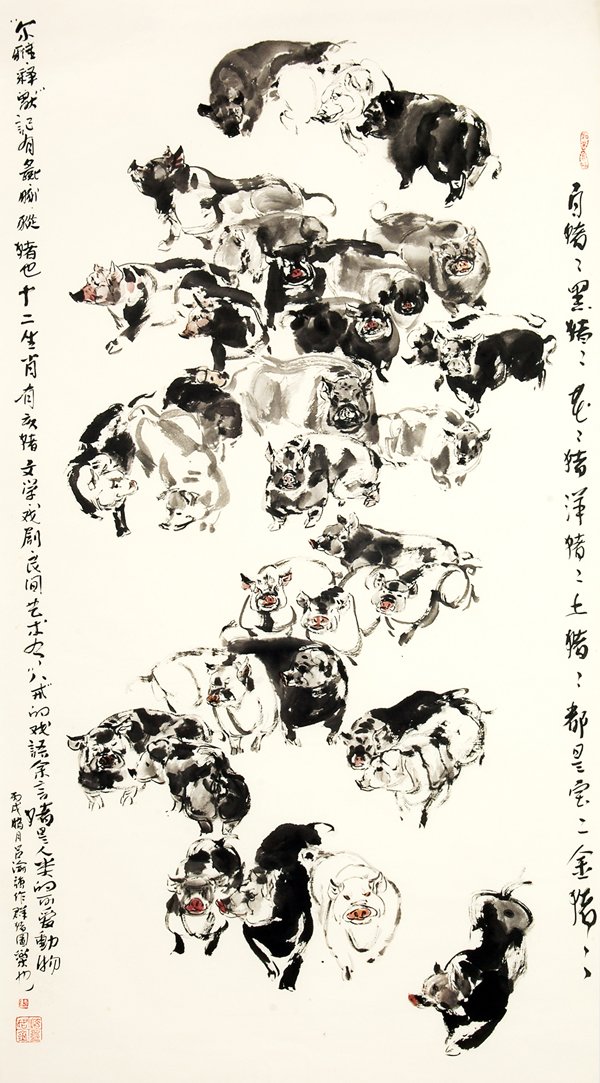
作品“巴蜀丘色”“闲风”“乡田晨烟”“清语”“夏歌”“群猪图”入选《中国网教名家书画教材教程》;作品“春暖”等入编西冷印社《雅竹清风书画集》(2015年);作品“葫荫”等入编西冷印社《当代杰出艺术家书画集》(2016年);作品“清秋”等入编《世界知识画报(艺术视界)》2013年第7期;作品“乡田晨烟”等入编《中国艺术家报•艺术大家》。
论文《谈写意绘画》,发表于《中国书画》2011年第09期。
被中国艺术学会评选为“2012感动中国艺术人物”“中国艺术功勋人物”,并授予“2012年度中国最高艺术成就奖”。2013年,入编中国文学艺术研究会主办的《百年中国•艺术大家》。
2019年中国邮政与澳门邮政联合发行庆祝中华人民共和国成立70周年《中国艺术先锋人物——吕渝强》纪念邮册一套。
His works Scenery of Bashu Hills, Leisurely Breeze, Morning Smoke in Rural Fields, Quiet Words, Summer Song, and Group of Pigs were selected into Chinese Online Education Famous Artists' Calligraphy and Painting Teaching Materials. Works such as Warm Spring were included in Elegant Bamboo and Fresh Breeze Calligraphy and Painting Collection published by Xiling Seal Society (2015); works like Shade of Gourd were编入 (included in) Calligraphy and Painting Collection of Contemporary Outstanding Artists by Xiling Seal Society (2016); works such as Clear Autumn were published in World Knowledge Pictorial (Art Vision), Issue 7, 2013; and Morning Smoke in Rural Fields etc. were included in Chinese Artists Daily • Art Masters.
His thesis On Freehand Painting was published in Chinese Calligraphy and Painting, Issue 09, 2011.
He was selected as "Touching Chinese Art Figure of 2012" and "Meritorious Figure in Chinese Art" by the Chinese Art Society, and awarded the "Highest Artistic Achievement Award of China in 2012". In 2013, he was included in Centennial China • Art Masters sponsored by the Chinese Literature and Art Research Association.
In 2019, China Post and Macau Post jointly issued a set of commemorative stamp albums Pioneer Figures in Chinese Art — Lv Yuqiang to celebrate the 70th anniversary of the founding of the People's Republic of China.
2024年12月4日,春节申遗成功的消息刷爆各大社交网络平台。“春节——中国人庆祝传统新年的社会实践”被列入联合国教科文组织人类非物质文化遗产代表作名录,引发广泛关注。2025年是农历乙巳蛇年,春节申遗成功无疑为蛇年新春增添了特别的意义。
On December 4, 2024, the news of the successful application of the Spring Festival World Heritage exploded on major social network platforms. "Spring Festival - the social practice of Chinese people celebrating the traditional New Year" has been included in UNESCO's Representative list of Intangible Cultural Heritage of humanity, which has attracted wide attention. The year 2025 is the Year of the Snake in the lunar calendar, and the successful application of the Spring Festival has undoubtedly added special significance to the Spring of the Year of the snake.
性灵笔墨 一任吞吐
——读吕渝强水墨画
徐恩存
Spiritual Brushwork: Unrestrained Expression
——On Lü Yuqiang’s Ink Wash Paintings
By Xu Encun
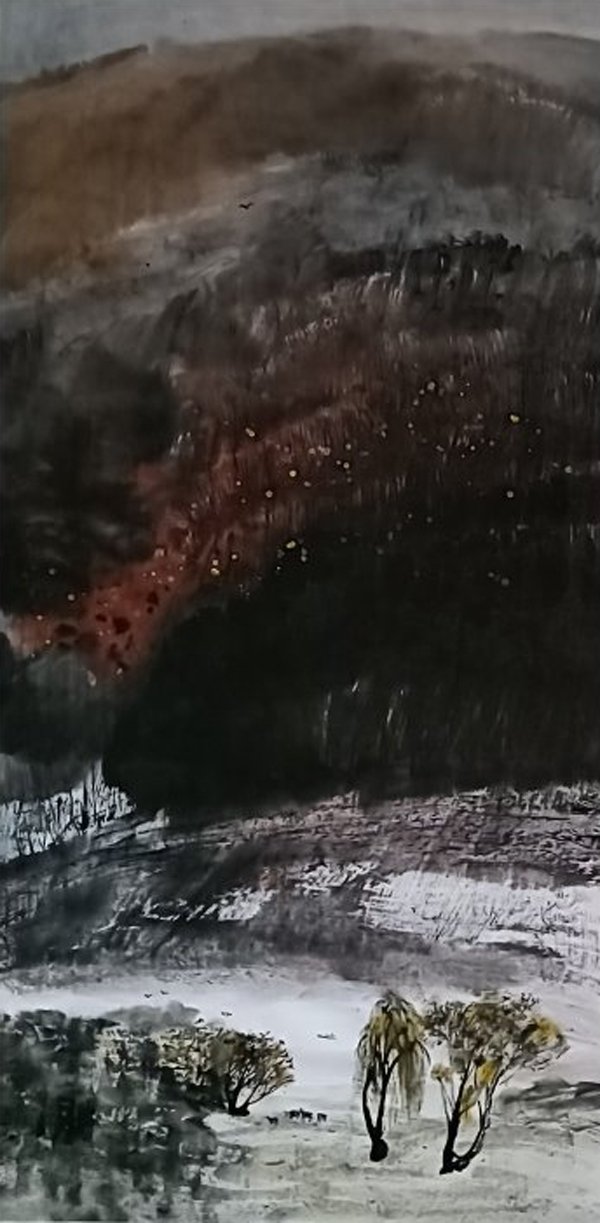
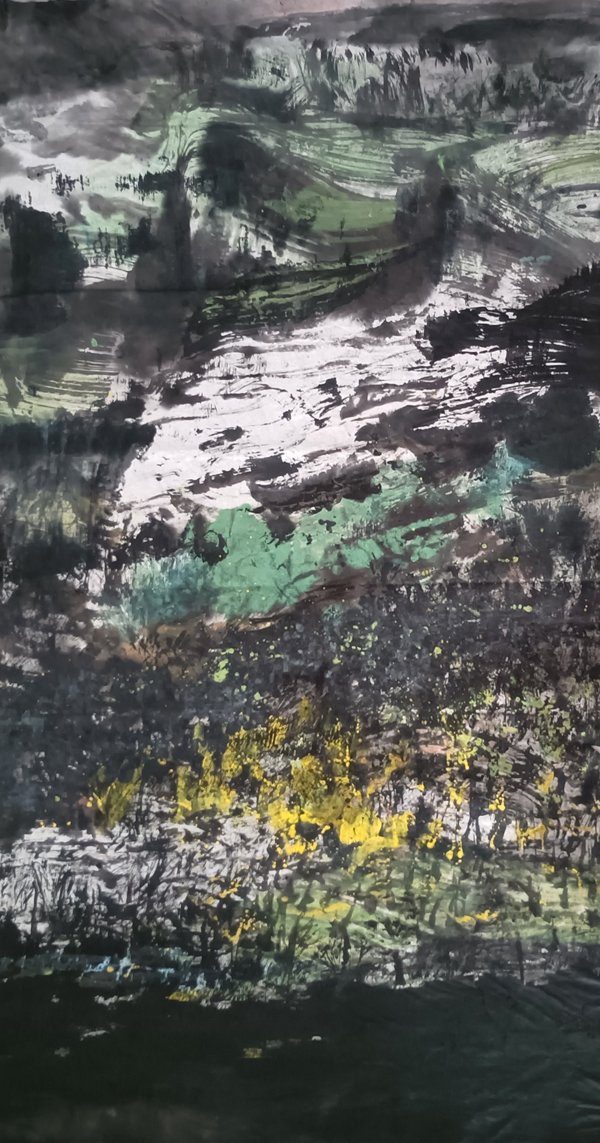
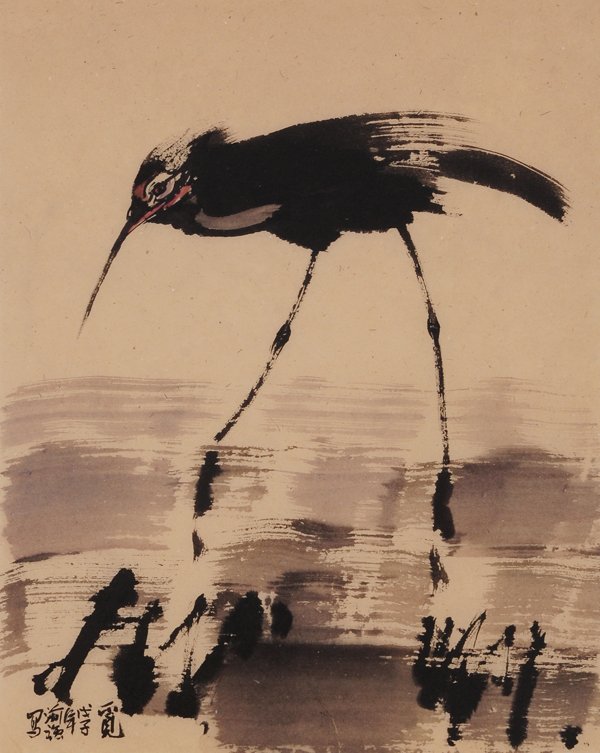
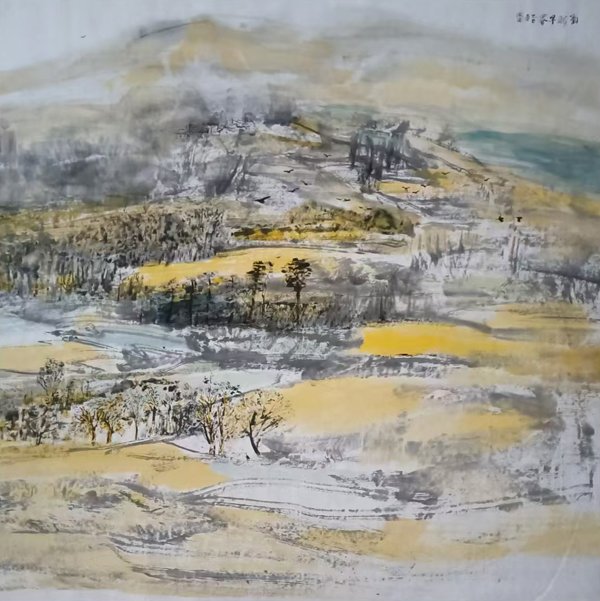
在看似寥寥数笔的挥洒与涂抹中,在对唯美风格的无视中,吕渝强书写了艺术的自我个性,这甚至是不可复制与不可替代的,因为出自画家心灵的笔墨符号折射的是画家的生命本质和精神高度,而外在的一切非但不能触及它,还因其狭隘的物性而限制画家的个性发挥与想象力表现。
吕渝强的艺术努力及其艺术追求是不言而喻的,他的作品表明在艺术上他已觉醒,他的作品无非是在艺术本体立场上的一种实验和一个过程的展示而已。
In what appears to be the casual wielding and smearing of just a few brushstrokes, and in his disregard for aesthetic styles, Lü Yuqiang expresses his artistic individuality—a quality that is even irreplicable and irreplaceable. This is because the brush and ink symbols originating from the painter's heart reflect his essential life force and spiritual elevation. External factors not only fail to touch this core but also restrict the painter's individuality and imaginative expression due to their narrow material nature.
Lü Yuqiang's artistic efforts and pursuits are self-evident. His works demonstrate that he has awakened artistically, and his creations are nothing more than an experiment and a demonstration of a process from the standpoint of artistic ontology.
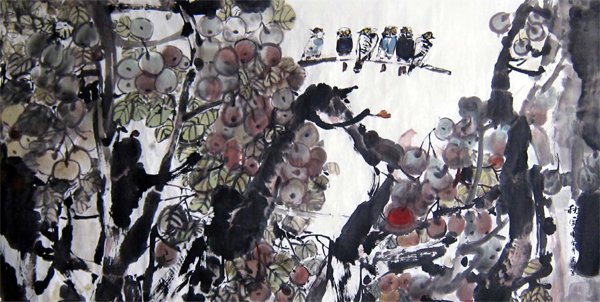
谈写意绘画
吕渝强
诗由心生,画由心生。诗中有画、画中有诗,此画之道也。
纵观中国写意绘画的历史,其中无不折射出古代文人艺术家的审美追求。总结了写意绘画的艺术要领:神为画之主、画是神之形,形散神不安、无神画不灵,诗中有画、画中有诗。中国艺术精神在绘画上的表达,要求写神而不致空泛,不能离开具体的物象;写形而不能离开神的主导思想、神的精神世界。中国水墨写意画在明代得到迅速发展,以徐渭的泼墨大写意花鸟画为代表,一时名家辈出。徐渭凭借自己特有的艺术才华,成为中国艺术史上最富成就的写意画大师。
On Freehand Painting
By Lv Yuqiang
Poetry originates from the heart, and so does painting. Having poetry in painting and painting in poetry embodies the essence of painting.
A review of the history of Chinese freehand painting reveals the aesthetic pursuits of ancient literati artists. It summarizes the artistic principles of freehand painting: the spirit is the master of the painting, and the painting is the form of the spirit. If the form is scattered, the spirit cannot rest; without spirit, the painting lacks vitality. There is poetry in painting and painting in poetry. The expression of Chinese artistic spirit in painting requires depicting the spirit without being vague, and it should not depart from specific images; depicting forms should not deviate from the guiding ideology of the spirit and its spiritual world.
Chinese ink freehand painting developed rapidly in the Ming Dynasty, represented by Xu Wei’s splash-ink freehand flower-and-bird paintings, during which numerous renowned artists emerged. With his unique artistic talent, Xu Wei became the most accomplished master of freehand painting in the history of Chinese art.
其画风格清新空灵,恣情汪洋,自成一家,他提出的不求形似求神韵的创作原则成为后世写意画创作者的共同追求。徐渭写意花鸟绘画的特点是情胜于境,意胜于形,不拘泥于枝节,讲究整体的气势,讲究意境,随性而发,随情而动。其笔墨大胆泼辣,气骨俱盛,运笔纵横。徐渭善泼墨、破墨,淋漓酣畅,神韵焕发。这对之后几百年来的写意绘画产生了巨大的影响,这一画风经过明代的陈老莲、清代的八大和石涛以及扬州八怪中的李鱓、郑板桥、李方膺、罗聘及晚清的赵之谦、虚谷、吴昌硕,还有现代画家齐白石、潘天寿等人的不断丰富和发展,创造了强大的文人写意画历史。
His paintings feature a fresh and ethereal style, unrestrained and vast, forming a unique artistic school. The creative principle he proposed—seeking spiritual charm over literal resemblance—has become the shared pursuit of freehand painting creators ever since. The characteristics of Xu Wei's freehand flower-and-bird paintings lie in emotion overriding context, conception overriding form, not being confined to trivial details, emphasizing overall momentum and artistic conception, and being expressed spontaneously with one's nature and emotions. His brushwork is bold and vigorous, full of spirit and strength, with unrestrained strokes. Xu Wei excelled in splash-ink and broken-ink techniques, achieving vivid and hearty effects that radiate spiritual charm.
This has had a profound impact on freehand painting over the past few hundred years. Through the continuous enrichment and development by artists such as Chen Laolian in the Ming Dynasty, Bada Shanren and Shi Tao in the Qing Dynasty, Li Shan, Zheng Banqiao, Li Fangying, and Luo Pin among the Yangzhou Eight Eccentrics, as well as Zhao Zhiqian, Xugu, and Wu Changshuo in the late Qing Dynasty, and modern painters like Qi Baishi and Pan Tianshou, this painting style has created a powerful historical legacy of literati freehand painting.
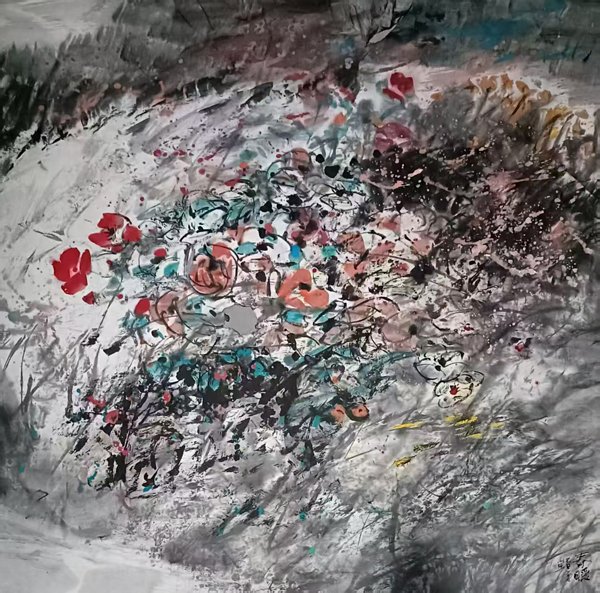
苏轼说“画竹必先成竹于胸中”。这里的竹完全超越了现实,是人们心目中的竹,被中国文人赋予了美好的人格象征,这也是中国五千年文化思想浸润的结果。再如齐白石的虾、徐悲鸿的马、吴作人的骆驼、黄胄的驴等都被赋予了各自的感情和人格色彩,并各自以独特的写意手法体现出永恒的魅力与精神。虽然都是水墨写意,但其表现手法和笔墨风格却不尽相同,各具魅力。以八大山人以例,他的绘画以大笔水墨写意为主,取法自然,笔墨简练,大气磅礴,独具新意,创造了高旷纵横的绘画艺术风格。八大绘画艺术着墨简淡,运笔奔放,布局疏朗,意境空旷,张力充沛,气势雄壮。笔情恣纵不拘成法,苍劲圆秀、逸气横生,笔法不求完整而反得完整;主张“妙在似与不似之间”的齐白石,他的花鸟画洋溢着自然的勃勃生机,而其山水图奇异不落旧蹊,淳朴的民间艺术风格与传统的文人画风相融合,极富创造精神;徐悲鸿的水墨奔马,融汇了东西方绘画技法,既有中国传统绘画的线条造型和笔墨之美,又能品味物象局部的体面造型和光影明暗,将中西两大绘画体系中一些绘画要素有机地融合在一起,自然逼真地独创了中西合璧的写实艺术风格;还有潘天寿、吴冠中等也都是风格突出、极富个性的艺术家。
Su Shi once said, "To paint bamboo, one must first have a complete bamboo in mind." The bamboo here is entirely beyond reality; it is the bamboo in people's hearts, endowed with beautiful symbolic human qualities by Chinese literati, which is also the result of the infiltration of China's five-thousand-year cultural thoughts. For example, the shrimps painted by Qi Baishi, the horses by Xu Beihong, the camels by Wu Zuoren, and the donkeys by Huang Zhou are all imbued with their own emotions and humanistic colors, each reflecting eternal charm and spirit through unique freehand techniques. Although they all use ink freehand painting, their expressive techniques and brushwork styles are different, each with its own charm.
Take Bada Shanren as an example. His paintings mainly use bold ink freehand techniques, drawing inspiration from nature. With concise brushwork, grand momentum, and unique creativity, he created a lofty and unrestrained artistic style. Bada's art features simple ink application, bold brushstrokes, sparse composition, empty artistic conception, full tension, and 雄壮 (majestic) momentum. His brushwork is unrestrained and not bound by fixed rules, vigorous yet round and elegant, full of free-spirited energy. Instead of pursuing completeness in brushstrokes, he achieves completeness through incompleteness.
There are also artists like Pan Tianshou and Wu Guanzhong, all of whom have distinct styles and highly individualistic artistic personalities.
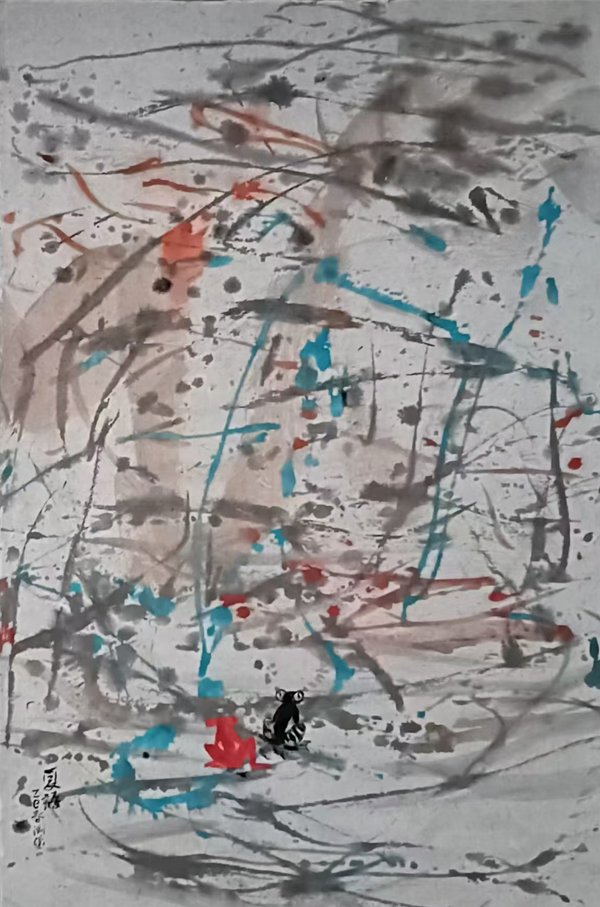
写意画的线条要有节奏、徐急、枯湿、浓淡、飞白,用墨要浓淡相宜、浓破淡、淡破浓,笔法、墨法的运用要相得益彰,这是写意绘画的创作者所必须掌握的表现手段。另一方面,写意绘画的创作还要对西方传统绘画中的透视关系、解剖比例、明暗关系、静态、动态等有深入理解与实际的掌握,之于绘画形式语言的这种驾驭能力,对创作者打造个人的艺术风格大有裨益。在艺术创作中,控制形的变化是创作者艺术表现能力的具体体现,有了对形的控制能力,也就具备了创作写意画的基本能力,并会近而进入写意绘画创作的自由天地、最终拥有自己的绘画风格。
In freehand painting, the brushstrokes should exhibit rhythm, varying speeds, dryness/wetness, darkness/lightness, and flying white (a technique where the brush leaves blank spaces). Ink application should be appropriately shaded, with dark ink breaking into light ink and vice versa. The coordination of brushwork and ink techniques is essential, forming the fundamental expressive tools that freehand painters must master.
On the other hand, creators of freehand painting should also deeply understand and practically grasp elements from Western traditional painting, such as perspective, anatomical proportions, light-shadow relationships, stillness, and dynamics. This ability to command the formal language of painting greatly aids artists in developing their individual artistic styles.
In artistic creation, controlling the transformation of forms embodies a creator’s specific ability for artistic expression. With mastery over form, one gains the basic competence to create freehand paintings, gradually enters the free realm of freehand creation, and ultimately establishes a unique painting style.
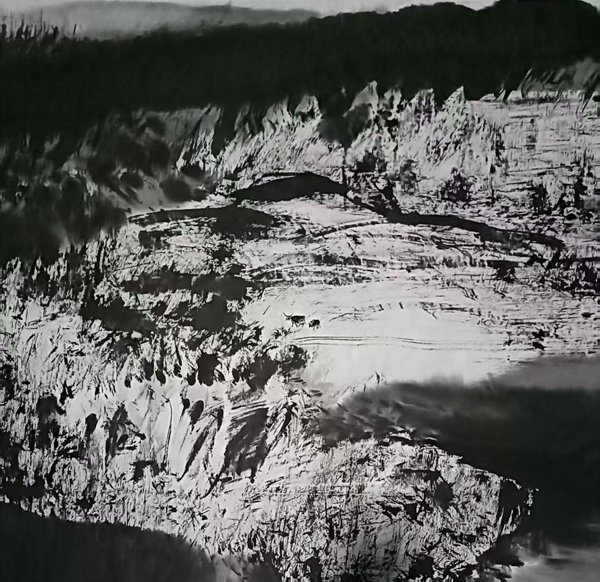
创作写意绘画作品,需要不断向前辈学习,向传统学习,向自然学习,是 “渐悟”、“顿悟”相结合的一个过程。在这一过程中,应取“博而后精”的态度,学习、学习、再学习,即要让自己的风格逐步形成而又不失规矩。写意画是允许创作者自由想象的世界, 所谓“形随神上才逸情”,再者,“古人之须眉不能长我之面目”,写意绘画艺术家需要不断探索自己的创作方法,其作品才真正具有生命力。百花齐放、百家争鸣不仅是社会对艺术创作的需求,也是艺术自身发展的内在规律。
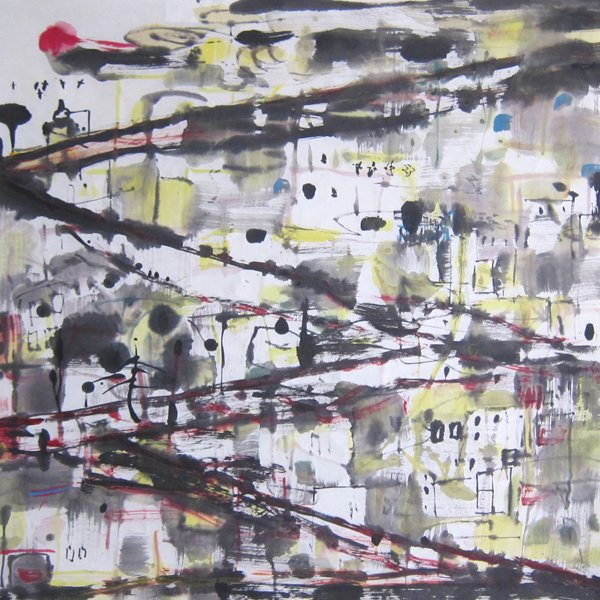
中国画分三个层次。一,状物。物象之形跃然纸上,惟妙惟肖,此为写实之能力;二,写景。物象的写实升华为意境,形而下抽象为形而上;三,造境,在写景能力的基础上,表达心中之境,“补天之缺”,笔墨间流露出世间无有的浩然之气,咫尺之间觉万里之遥。这三个层面不单是绘画技术提高的问题,它实质是绘画艺术所经由的“具象—印象—抽象”的一个渐入过程。这个过程是表现与升华的过程,感悟形而上的寓意,掌握形而下的表现。相应的,某一画家的创作必然也要经过三个阶段:一,追求物象逼真,“形”的准确与否为美的标准;二,“似与不似之间”;三,物象主观化,物象随意识而自立。这三阶段也反映了不同历史时期主流人群对艺术认识的不断深化和社会进化对艺术创作的需求。
Chinese painting can be divided into three levels.
First, depicting objects. The form of the object leaps onto the paper, vivid and lifelike, which reflects the ability of realistic representation.
Second, portraying scenes. The realistic depiction of objects is sublimated into artistic conception, transforming the physical into the metaphysical.
Third, creating realms. On the basis of scene-portraying ability, it expresses the inner realm of the heart, "making up for the flaws of heaven," and reveals a boundless noble spirit that does not exist in the world through brush and ink. Within a small space, one feels the vastness of ten thousand miles.
These three levels are not merely about improving painting techniques; they essentially represent a gradual process in painting art: "representation—impression—abstraction." This process is one of expression and sublimation, involving the comprehension of metaphysical meanings and the mastery of physical representation.
Correspondingly, an artist’s creative journey must also go through three stages:
1.Pursuing the vividness of objects, where the accuracy of "form" becomes the criterion of beauty.
2.Achieving a state "between resemblance and non-resemblance."
3.Subjectivizing objects, where objects exist independently according to the artist’s consciousness.
These three stages also reflect the continuous deepening of the mainstream society’s understanding of art across different historical periods and the demands of social evolution on artistic creation.
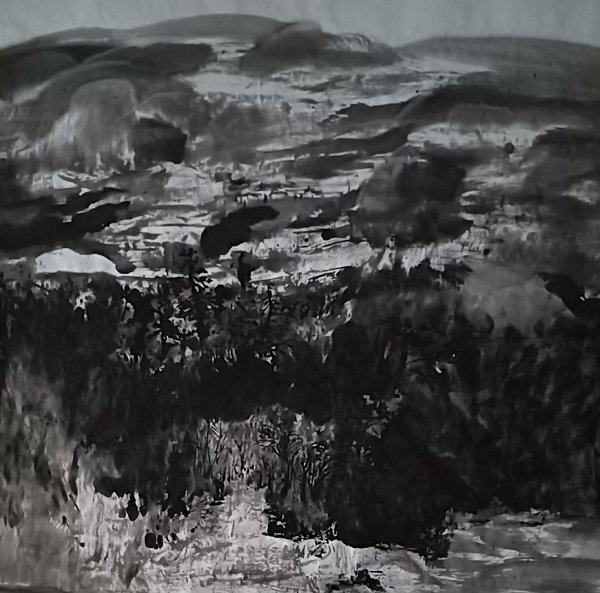
绘画欣赏有三个境界。读画、赏画、品画。绘画的表现形式是多种多样的,要想创作出一幅好的作品首先就要把“神”放在首位,形虽然重要,但神是形的首领,当然神也必须依附于形才能得到展示。画家要提高自己的创作水平,还必须注重另一个问题的解决,即提高自己对绘画作品的鉴赏力,这也是一个相当复杂也很难说清楚的问题。因为每一个人对美的认识都有差异,“仁者见仁,智者见智”是极其常见的。但也不是绝对没有共识存在,这种共性就是我们经过长期认识、判别积累起来的被公认是行之有效的审美经验。
There are three realms in appreciating paintings: reading paintings, admiring paintings, and savoring paintings. The forms of artistic expression in painting are diverse. To create a fine work, one must first prioritize the "spirit" of the subject. Although the physical form is important, the spirit serves as the leader of the form. Naturally, the spirit must also rely on the form to be displayed.
To improve their creative standards, painters must also focus on addressing another issue: enhancing their ability to appreciate and evaluate paintings. This is a rather complex problem that is difficult to articulate clearly. Because everyone has different perceptions of beauty, it is extremely common for "the benevolent see benevolence and the wise see wisdom." However, this does not mean there is absolutely no consensus. Such commonalities are the universally recognized and effective aesthetic experiences we have accumulated through long-term recognition and discrimination.
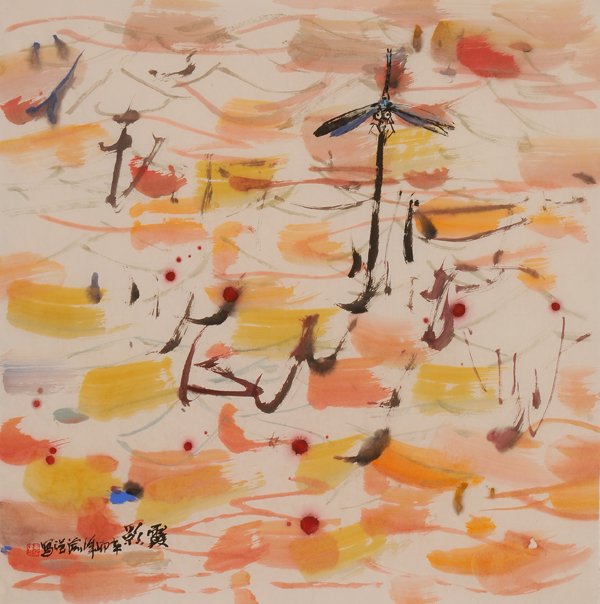
培养读画、品赏的能力,就是鉴赏力,这是一个是长期积累的过程,也是一个由浅入深、由表及里不断提高的过程,也就是常说的养心、养眼之道。值得一提的是,在具备了一定艺术鉴赏力的情况下,还必须坚持多读、多品经典艺术作品,并向取得成功的艺术家学习。鉴赏力的提高,既可以从好的作品中汲取经验,同时也能辨别出自己绘画中存在的不足,并进而找到改进、提高的方法。如果能在这方面不断努力,就可以使画家不断明确自己绘画风格的独立性、找到明确的创作方向以及实施的方式和方法。事实证明,这是培养一个艺术家非常好的方法。中国写意画教学应该从提高赏画、品画等鉴赏力的提高入手,可收事半功倍之效。
Cultivating the ability to read, appreciate, and savor paintings—known as art appreciation— is a long-term accumulative process and a continuous improvement from the superficial to the profound, from the exterior to the essence. This is what is often referred to as the way to nourish the mind and refine one’s aesthetic judgment. It is worth noting that with a certain level of art appreciation, one must also persist in studying and savoring classic artworks and learning from successful artists.
Improving appreciation skills allows one to draw experience from excellent works while identifying shortcomings in their own paintings, thus finding methods to improve and enhance their craft. Continuous efforts in this regard can help painters clarify the independence of their artistic style, identify a clear creative direction, and determine practical approaches and methods. Facts have proven that this is an excellent way to cultivate an artist. Teaching Chinese freehand painting should start with enhancing appreciation abilities such as painting evaluation and contemplation, which can yield twice the result with half the effort.
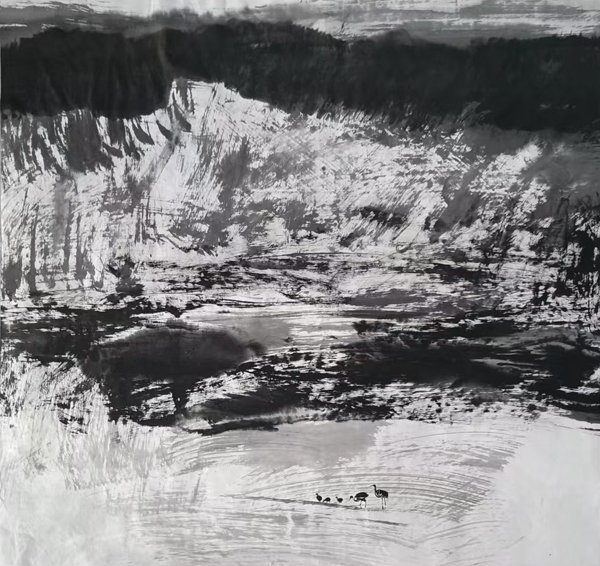
The era has entered the 21st century. We have been looking forward to using our freehand paintings to showcase the spiritual essence of Chinese culture and art, and to make contributions to the development of world art. We also believe that this lofty goal can be achieved. The creative concepts of Chinese freehand painting are open-minded. Chinese freehand painting not only has diverse expressive techniques but also uses rich materials and tools.